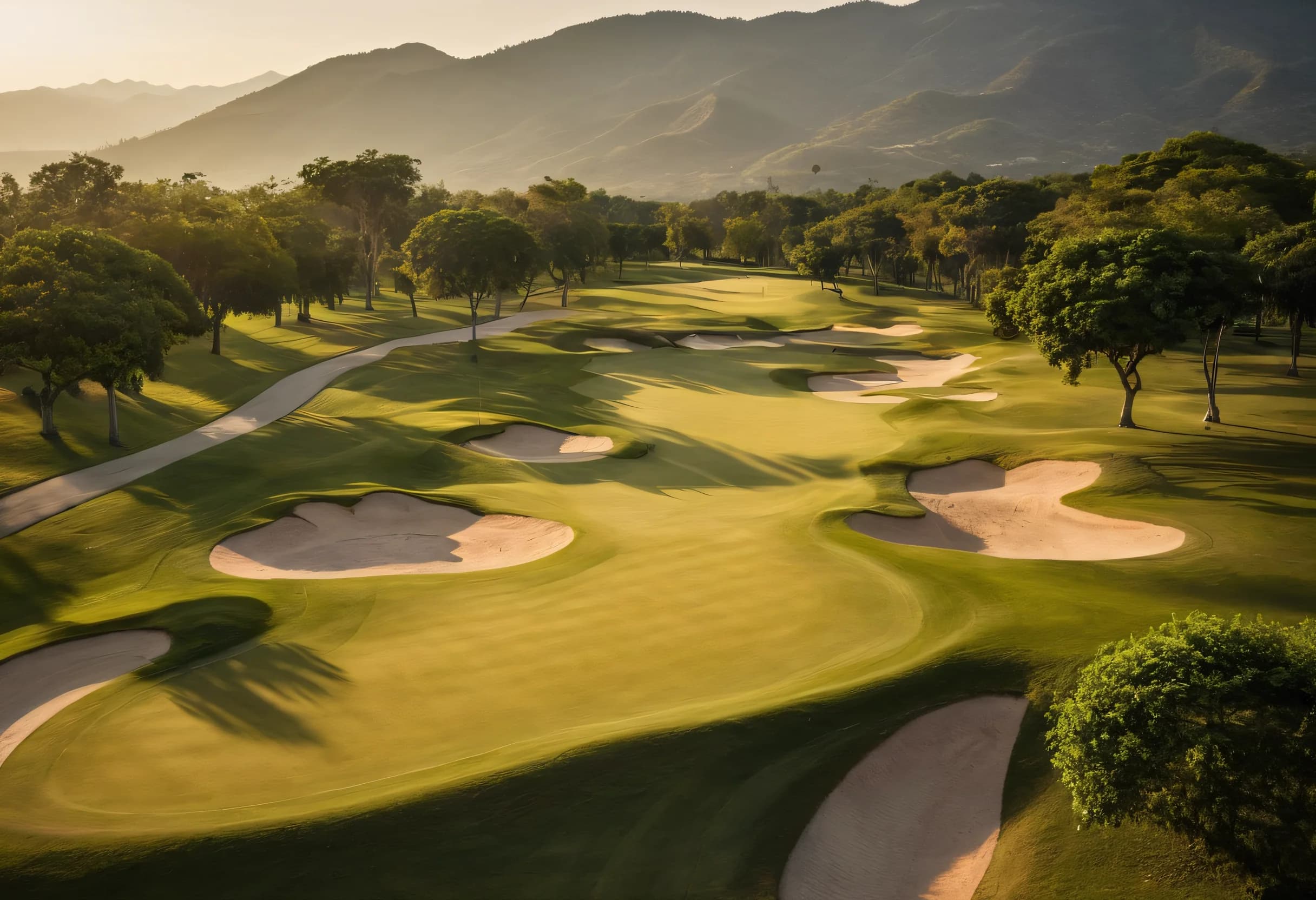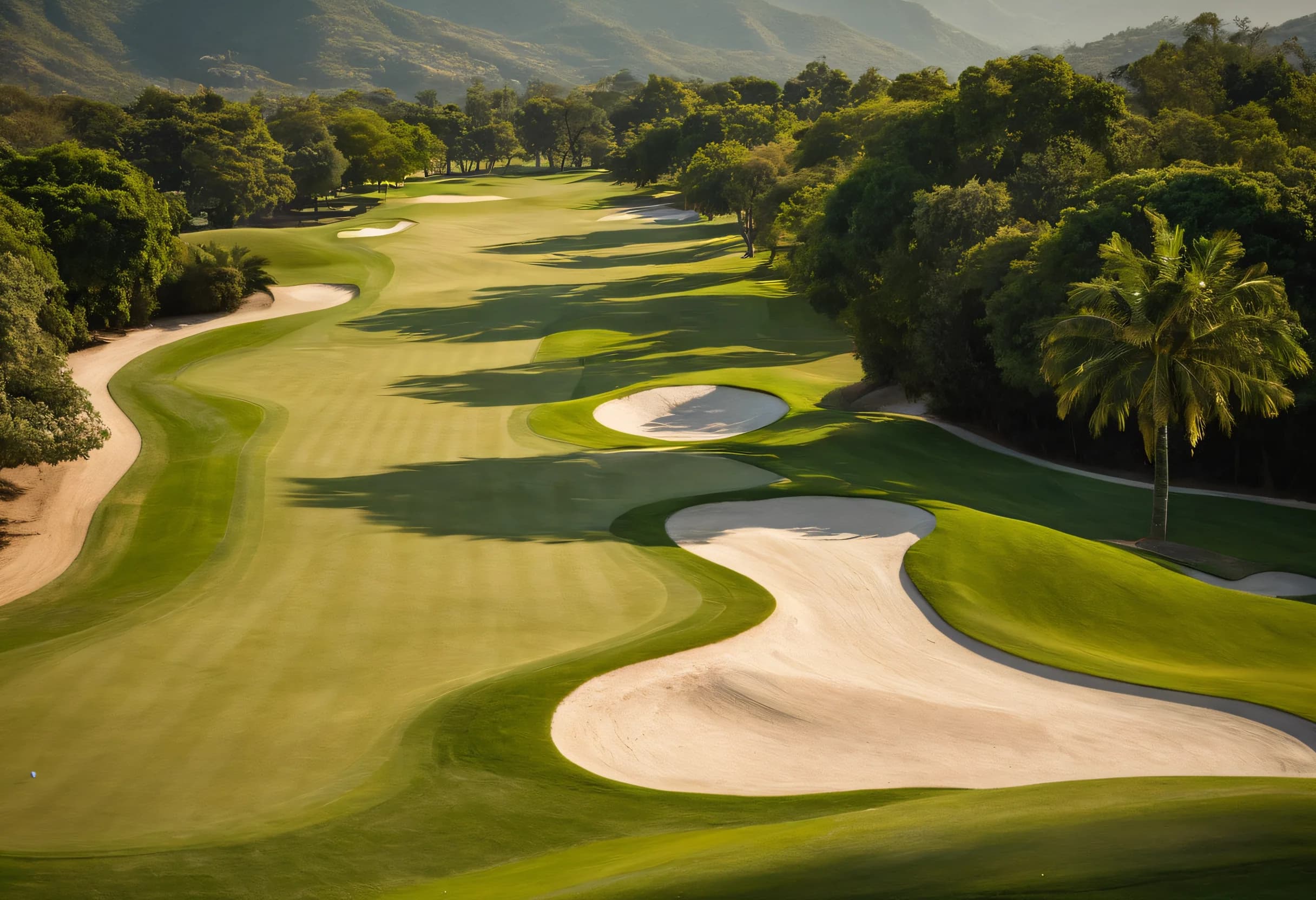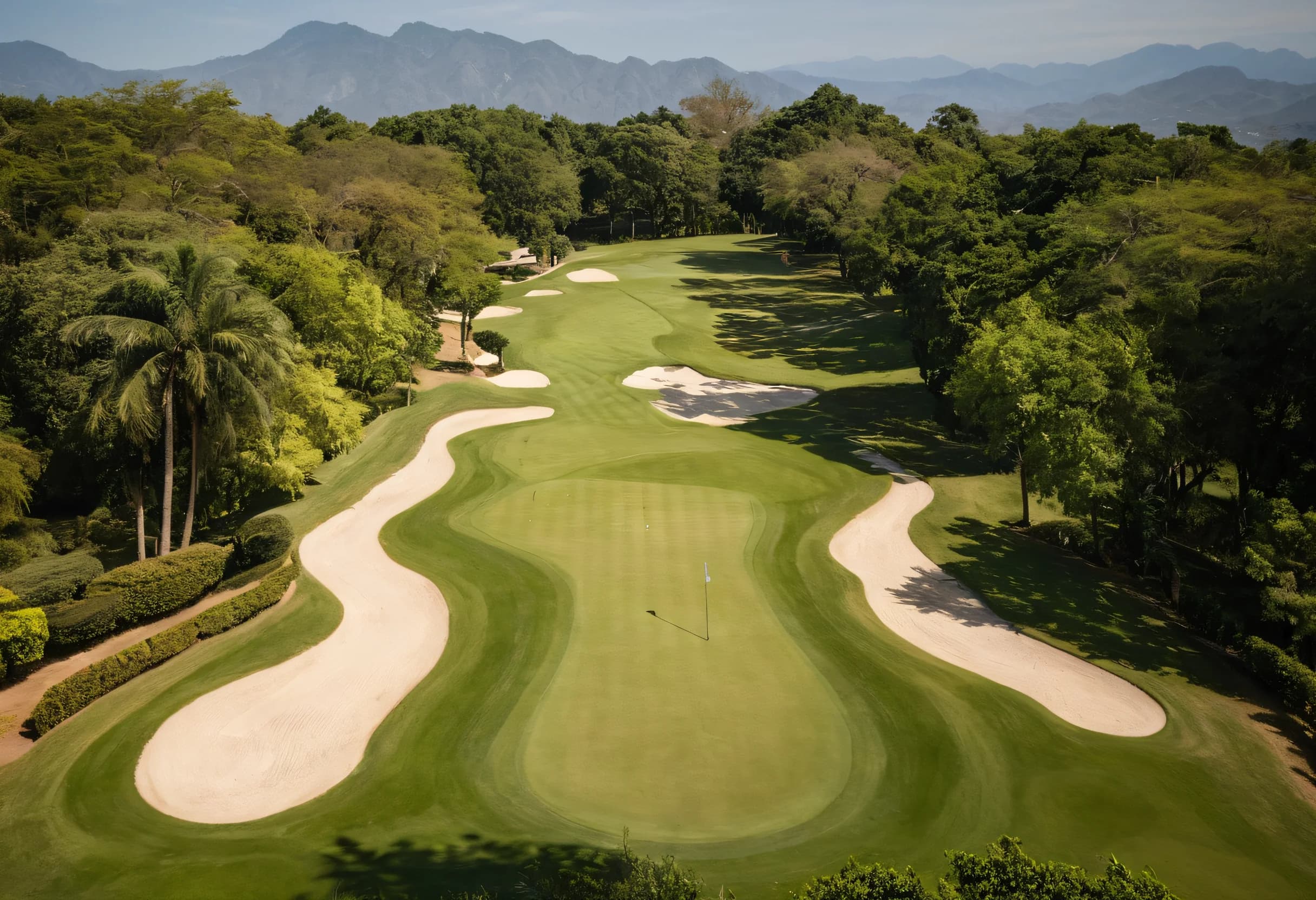
Chiang Mai Gymkhana is the oldest golf ground in the city, founded in 1898, and still the cheapest round in the valley: nine holes, par 36, about 2,900 yards, a walking course with a caddie, for a fee reported between ฿250 and ฿800. It is a history round, not a championship test. Here is what that actually means on the ground.
Is Chiang Mai Gymkhana worth playing?
Yes, if you want the oldest golf in northern Thailand and a walk at roughly ฿250 to ฿800. No, if this is your only round of the trip.
The Gymkhana Club sits on a large walled site on the east bank of the Ping River, on the Chiang Mai to Lamphun road, about ten minutes from the Old City (accessed 2026-08-20). The golf shares that ground with cricket nets, floodlit tennis courts and squash. Nowhere else in Thailand will you tee off beside a working cricket pitch.
What you are buying is atmosphere and price, in that order. What you are not buying is conditioning, length, or a practice facility that competes with Chiangmai Highlands. The clubhouse is a low colonial-style building with a bar, a simple Thai and Western kitchen, and a members' noticeboard that has not changed much in decades. There is no spa, no fitting studio, and the pro shop stocks the basics rather than a wall of drivers. Set your expectations there and the round is a pleasure.
What happened in 1898, and does the history show?
A group of teak traders, consuls and expatriates founded the club in 1898. The trees they left behind are now the course's defence.
Chiang Mai in 1898 was a teak town weeks by river from Bangkok. The club was the social engine for that community, and golf was one sport among several rather than the point of the place. That origin explains the layout: it was never planned as a golf-only property, so the holes thread between mature trees and open ground that other clubs would have bulldozed.
The course carries a Denis Griffiths association (accessed 2026-08-20), the same architect credited with Summit Green Valley, though sources disagree on how much of the current routing is his. Treat the design credit as contested, not gospel. What is not contested is the age of the trees. Several of them were standing before the first tee was cut, and they are the reason a 2,900-yard nine can still take a shot off you.
How does the nine actually play?
Flat, short and tight. Two par 5s, two par 3s, five par 4s, nothing much past 490 yards, and trees that punish a loose tee shot harder than any bunker here.
The scorecard reads gentle. The round is not, because accuracy matters more than distance on every hole. Golfers used to resort-width fairways at Alpine find themselves punching out sideways from under a century-old canopy. Play it with a 3-wood or a long iron off the tee and the nine becomes a pleasant, fast walk.
The ground is flat, which is the other half of the character. There is almost no elevation change across the loop, so lies are level, the walk is easy in heat, and the shot you are hitting is the shot you see. Bunkering is modest and old-fashioned, with soft local sand rather than the imported white sand of the resort courses. Greens are small, and in the wet months they hold anything you land on them.
Played twice from alternate tees it makes a par-72 round of roughly 5,800 yards. Three hours, unhurried. That is fast by Thai standards, where five-hour rounds at busier clubs are normal.
What does a round cost, honestly?
Reported figures run from about ฿250 to ฿800. There is no reliable published live rate card, so confirm the current fee with the club or with us before you count on a number.
The honest position: a TripAdvisor member answer quotes ฿350 including the caddie, other directory listings quote ฿800 for eighteen holes, and older blog reports quote ฿250 (all accessed 2026-08-20). Any of those may be current. None is confirmed by an official 2026 rate card we can link to.
Budget the extras separately, because they are what actually move the total. A caddie tip of ฿400 to ฿600 for eighteen holes. A trolley hire that costs less than a coffee. A round of drinks on the clubhouse terrace afterwards. Even at the top of every range, a day here lands well under a single green fee at the mountain courses.
For scale: high season 2026-27 course public rates at Gassan Panorama run ฿4,410 for a morning round and Chiang Mai Highlands ฿4,500 for 18 holes including caddie and cart. Gymkhana is a different order of money.
Can you walk it, and how do caddies work?
It is a walking course with pull trolleys instead of a buggy fleet, and the caddie is usually bundled into the fee. Tip separately, in cash.
Walking is genuinely rare in Thai golf. Almost every course we book effectively mandates a cart at roughly ฿700 to ฿800. Gymkhana lets you carry or trolley, which is the single most distinctive thing about the round.
Caddies remain mandatory, as they are nationwide. Your caddie will read the trees rather than the greens, because the trees are the hazard, and the good ones here have walked this loop for years. The customary tip is ฿400 to ฿600 per eighteen holes, handed over in cash at the bag drop. On a ฿350 green fee the tip is larger than the fee. Budget for it and hand it over without negotiating. Bring ฿100 and ฿500 notes; nobody at the bag drop wants to break a ฿1,000.
Where is it and how do I get there?
On the Chiang Mai to Lamphun road, east of the Ping. Around ten minutes from the Old City, roughly fifteen from the airport, reachable from Night Bazaar hotels by songthaew.
Drive times are approximate and traffic on the Lamphun road at rush hour will double them. For a course this close, a Grab or a red songthaew is fine, and a one-way fare from the Old City is normally a low three-figure baht amount. That is unlike the mountain courses, where an early tee time and a golf bag make a pre-booked private car the sane option: Highlands, Alpine and the Gassan courses all sit thirty to forty-five minutes out, and a taxi hailed on the day at 6am is not a plan.
If you are travelling with clubs, note the boot space. A songthaew swallows bags easily, a small Grab sedan does not always. Full context on the region's courses, distances and rough drive times is in our golf in Chiang Mai guide.
What is the honest downside?
Conditioning. The greens are soft and rough around the edges, the fairways are hard and tight, and there is no resort infrastructure. If tight lies and slow greens spoil your day, skip it.
Reviewers consistently describe the greens as soft and a bit rough and ready (accessed 2026-08-20), and that matches what our guests report. This is a heritage sports ground maintained on a members' budget, not a paspalum resort surface. There is no spa, no championship range, no fleet of buggies.
Second downside: at nine holes it cannot fill a golf day. You will finish before lunch and want somewhere else to go.
Third, and worth saying plainly: the club is a members' club that welcomes visitors, not a visitor operation. Tee sheets around club competitions and social events can be blocked out, the atmosphere is quiet rather than serviced, and a walk-up on the wrong morning can meet a full sheet. Call ahead.
How does it compare to the other rounds near town?
Gymkhana is the cheapest and the most historic. Lanna is the closest full-size course. Star Dome is the one you play after dark.
| Course | Holes / par | Fee guide | Drive from Old City | Why play it |
|---|---|---|---|---|
| Chiang Mai Gymkhana | 9 / 36, about 2,900 yd | About ฿250 to ฿800 reported | About 10 min | Founded 1898, walking, cheapest round in the valley |
| Lanna Golf Club | 27 / 72 | Green fee around ฿1,300 | About 10 min | Closest full-size course, walking permitted, army-run |
| Star Dome Golf Club | 9 / 36 | Around ฿1,400 for 9, dated figure | In city | Floodlit night golf, foreigner surcharge reported |
| Gassan Legacy | 18 / 72 | ฿4,620 morning, ฿3,780 night all-in (high season 2026-27) | 30 to 45 min | Floodlit night golf, 18 holes |
If value is the driver, read our Lanna Golf Club review next. If you want to play in the cool of the evening instead, we cover the floodlit options in night golf in Chiang Mai and review the in-city option in detail in our Star Dome night golf review.
How does Gymkhana fit into a real golf trip?
As the cheap extra round, not as a headline. Pair it with two or three championship rounds and it costs almost nothing to add.
Our itineraries fold Gymkhana in on arrival or departure day, when a full 18 out at the Gassan courses would not fit the flight. It works well inside a culture-weighted trip where golf shares the week with temples and the Old City, and it works as the ninth-hole filler on a short stay.
Season matters more than the course does. The cool months from November to February are the reason people fly here: mornings in the low twenties Celsius, dry air, and tee sheets that fill early at the mountain clubs. The green season from roughly June to October brings afternoon rain, softer ground and the lowest rates of the year, and Gymkhana drains well enough on flat land to stay playable between showers. March and early April are the problem months, for the reason below.
Booking it yourself is straightforward: call or message the club a day or two ahead with your name, group size and preferred morning slot, turn up thirty minutes early, pay at the counter in cash, collect a caddie at the bag drop. If you are booking through us, the round goes on the same itinerary as your other tee times with the transfer attached. We work on enquiry, not instant confirmation: you send dates and handicaps, we come back with tee times, transfers and a price to approve. Compare trip shapes on our golf hub and the full-size alternatives at Chiangmai Highlands.
Be clear about the package math. A single ฿350 round booked direct is cheaper than any package could make it, and we will say so. Packages earn their money on the ฿4,500 rounds, the private driver, the tee-time blocks in the November to March peak, and the on-the-ground fix when weather moves a round. On a Gymkhana-only day, book it yourself and keep the difference.
Gymkhana is not the best golf in Chiang Mai and it does not pretend to be. It is the oldest, the cheapest, and the only round here that lets you walk the way the game arrived in the north. See the club page in our directory: Chiang Mai Gymkhana Golf and Sports Club. For a trip that puts the heritage round alongside the championship courses, look at Culture and Golf, 5 nights or the short Layover, 2 nights.
Get a quote for your Chiang Mai golf tripTell us your dates and handicap, we send tee times, transfers and a priceFrequently asked questions
How much does it cost to play Chiang Mai Gymkhana?
Published and reported figures sit in a wide band, roughly ฿250 to ฿800 depending on whether you play nine or eighteen, and whether the caddie is bundled. A TripAdvisor answer quotes ฿350 including the caddie, other listings quote ฿800 for eighteen holes. The club does not publish a live rate card that we can point at, and the figure moves seasonally, so treat any number you read online as indicative and confirm the current fee when you call the club or when we quote your trip. Bring cash in small notes for the caddie tip.
Is Chiang Mai Gymkhana a full 18-hole course?
No. It is nine holes, par 36, around 2,900 yards from the men's tees. Most visitors play it twice from different tees for a par-72 round of roughly 5,800 yards, which takes about three hours at a normal pace. That is short by modern standards. Alpine and Highlands both run past 7,000 yards. Gymkhana is a heritage nine on a site shared with cricket, tennis and squash, not a championship layout, and it is best treated as a warm-up or an afternoon round rather than the centrepiece of a golf trip.
Can you walk Chiang Mai Gymkhana?
Yes, and you should. Gymkhana is a walking course with pull trolleys rather than a buggy fleet, which makes it one of very few places in northern Thailand where a golfer can play the way the game was played here in 1898. The land is flat, the loop is short, and nine holes on foot takes about 90 minutes. That matters because almost every resort course in the region effectively requires a cart. If your knees prefer riding, check with the club before you travel rather than assuming a buggy will be waiting.
Do I still need a caddie at Gymkhana?
Yes. Caddies are mandatory at Thai courses and Gymkhana is no exception, with the caddie commonly bundled into the low green fee rather than billed separately. The caddie fee itself is a course charge; the tip is separate and goes straight to the caddie in cash at the end of the round. Chiang Mai norms run ฿400 to ฿600 per eighteen holes, and on a course this cheap the tip can exceed the green fee. That is normal here. Pay it anyway, in cash, at the bag drop.
Is Gymkhana worth a trip if I only have time for one round?
No. If you have one round in Chiang Mai, play a full-size course. Chiangmai Highlands or Alpine give you 18 holes of championship conditioning and mountain views with a caddie and cart. Gymkhana earns its place as a second or third round, an arrival-day loosener, or a rest-day walk for a golfer who cares about the history of the game. It is the oldest sporting ground in the city, and the round is worth it for that, not for the golf test.
What is the dress code at Chiang Mai Gymkhana?
Standard Thai golf-club dress applies: collared shirt, tailored shorts or trousers, soft spikes. No denim, no sport or Bermuda shorts, no sandals, no non-collared shirts. Gymkhana is more relaxed in atmosphere than the resort clubs, but the dress rules are the same across every course we book in the region, so pack for the strictest one and you will never be turned away. Club rental exists at most Chiang Mai courses at roughly ฿1,000 to ฿1,500 a set, but confirm availability at Gymkhana specifically before you rely on it.