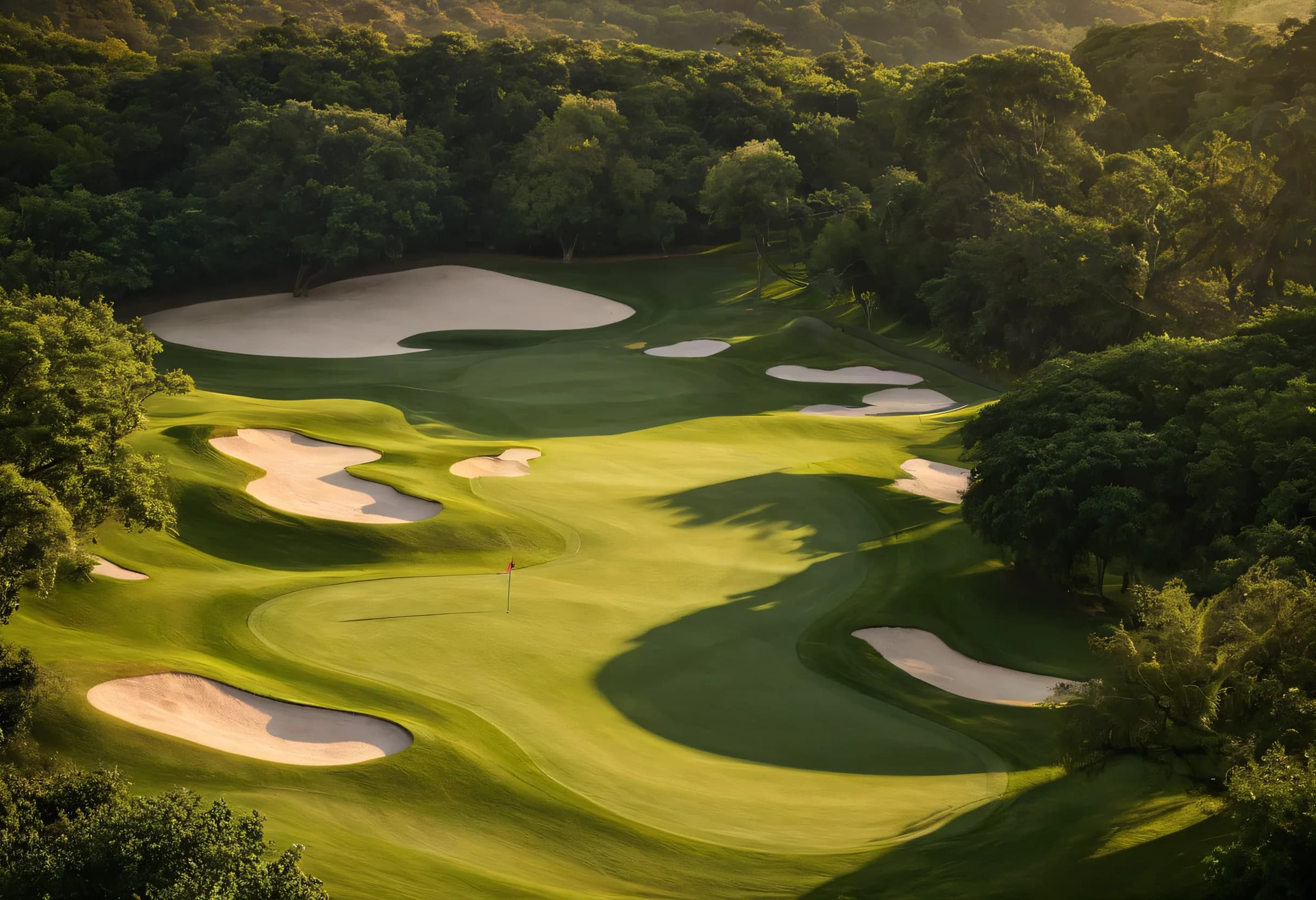
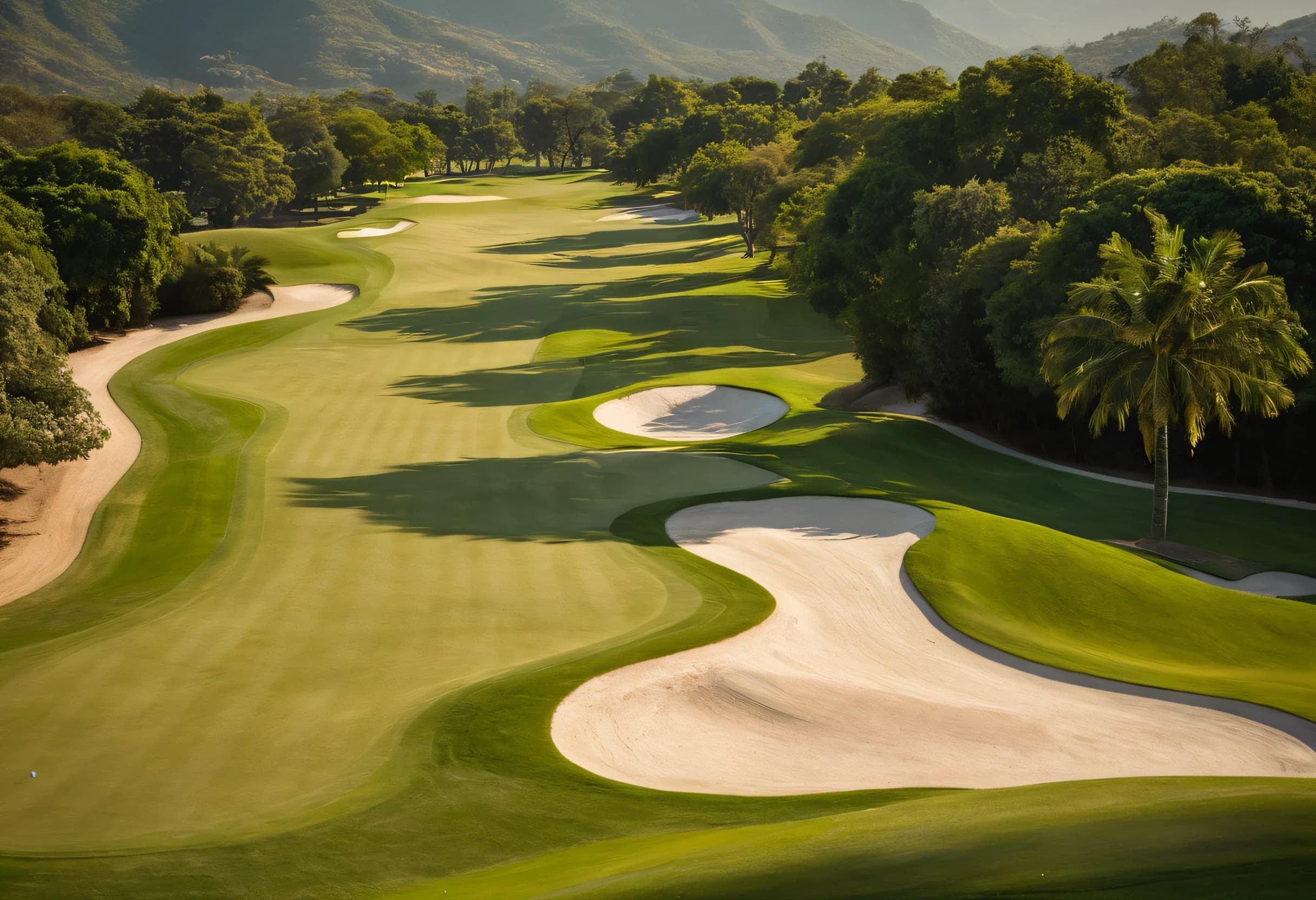
The history of golf in Thailand's north starts in 1898, when British teak traders founded the Chiang Mai Gymkhana Club, and runs through Lanna Golf Club (1974), the 1990s boom and a 2004 to 2009 wave of highland courses. Today around a dozen courses ring the Chiang Mai valley, and you can still play the colonial nine where it began.
When did golf first arrive in Thailand?
Golf reached Siam under King Rama V, with British expatriate clubs in Chiang Mai and Bangkok laying out the first holes between roughly 1898 and 1906.
Golf came in with the foreign trading community, not the Thai state. The Golf in Thailand record (accessed 26 October 2026) places its arrival in the reign of King Rama V, at the Royal Bangkok Sports Club and later at Hua Hin. The Royal Bangkok Sports Club received its royal charter in 1901 and opened its first nine holes around 1906.
For its first decades, golf was a game for nobles, diplomats and foreign company men. That changed slowly. Thailand now has around 300 courses, and the game has spread to a far wider slice of Thai society, from weekend club golfers to the caddies who often learn to play on Monday staff days.
Is the Chiang Mai Gymkhana really Thailand's oldest golf course?
It has the strongest claim to the oldest golf club, founded 1898, but Royal Hua Hin claims the first 18-hole international-standard course in 1924.
The two claims measure different things. The Chiang Mai Gymkhana dates its club to 1898, and course listings give the same year for its nine holes. Royal Hua Hin was commissioned in 1924 under King Rama VI, laid out by a Scottish railway engineer for the state railway's resort hotel, and Golfasian describes it (accessed 26 October 2026) as the first course in Thailand built to international standard.
Who built golf in Chiang Mai in the first place?
British teak traders did. Borneo Company men and other teak wallahs founded the Gymkhana in 1898 as their polo, racing and sports club.
In the late 19th century, British firms ran much of northern Siam's teak trade. Among the Borneo Company men in Chiang Mai was Louis T. Leonowens, son of Anna Leonowens of The King and I fame. Chiang Mai City Life (accessed 26 October 2026) calls the Gymkhana, founded in 1898, "the playground of the teak wallahs".
The course they left behind is a nine-hole, par-36 loop of about 2,900 yards, with a later redesign credited to Denis Griffiths. It is flat, shaded and short, threaded around the club's sports fields. It is also one of the few places in Asia where you can tee off on ground that a colonial sports club has used for over 125 years.
What happened between the Gymkhana and the modern courses?
For most of the 20th century, Chiang Mai golf meant the Gymkhana's nine holes. Lanna Golf Club, on Royal Thai Army land, opened in 1974.
We know of no other public course in the valley before Lanna, though local records are patchy. Lanna Golf Club sits inside the Lanna Sports Center, about 10 minutes from the Old City. It now runs 27 holes at par 72 and around 7,170 yards, and it is still one of the few Chiang Mai courses where walking is allowed.
Lanna is where many Chiang Mai locals learned the game. On a weekend morning it is full of Thai club golfers, and its green fee of around ฿1,350 is a fraction of the resort courses (CMGT Golf, 2026). Reported cart fees vary between listings, so confirm at booking. If you want to see how Thai golfers actually play at home, this is the round to book.
Why did Chiang Mai get so many courses in the 1990s?
Thailand's golf boom. The country built courses at a rapid pace in the early 1990s, and Chiang Mai gained Summit Green Valley and Royal Chiang Mai.
Rising Thai wealth, Japanese and Korean golf tourism and cheap land drove the boom. Summit Green Valley opened in 1990 to a Denis Griffiths design, with water on nearly every hole and, later, floodlights for night golf. Royal Chiang Mai followed in 1996, drawn by five-time Open champion Peter Thomson as a British links-style course with pot bunkers and run-offs, about 30 minutes north of the city.
The boom ended with the 1997 Asian financial crisis, and the next big wave of Chiang Mai courses did not arrive until 2004.
Which famous designers shaped Chiang Mai's modern courses?
Peter Thomson, Denis Griffiths, Lee Schmidt and Ron Garl. Each left a distinct style, from links pot bunkers to long mountain par-5s.
The names matter because they explain how each course plays. Our Chiang Mai golf course designers guide covers each architect in depth. Here is the timeline in one view.
| Course | Opened | Designer | Holes / par | Era it represents |
|---|---|---|---|---|
| Chiang Mai Gymkhana | 1898 (club) | Original layout, credited Griffiths redesign | 9 / 36 | Colonial teak era |
| Lanna Golf Club | 1974 | Local design, Royal Thai Army land | 27 / 72 | Thai club golf |
| Summit Green Valley | 1990 | Denis Griffiths | 18 / 72 | 1990s boom |
| Royal Chiang Mai | 1996 | Peter Thomson | 18 / 72 | 1990s boom, links style |
| Mae Jo | 2004 | Seni Thirawat | 18 / 72 | Highland wave |
| Chiang Mai Highlands | 2005 | Lee Schmidt (Schmidt-Curley) | 27 / 72 | Highland wave |
| Gassan Panorama | 2006 (reopened 2017) | In-house | 18 / 72 | Highland wave |
| Alpine Golf Resort | 2008 | Ron Garl | 27 / 72 | Highland wave, tour host |
| Inthanon | 2009 | Supachai Silamom | 18 / 72 | Highland wave |
| Gassan Legacy | 2014 rebuild | Schmidt-Curley renovation | 18 / 72 | Renovation era |
What was the 2000s highland era, and why does it matter for visitors?
Between 2004 and 2009, five big courses opened around the valley, and they still set the conditioning benchmark most visitors play to today.
Mae Jo opened in 2004 among orchards north of the city, with views toward Doi Suthep. Chiang Mai Highlands arrived in 2005, a Lee Schmidt design with well over 100 bunkers and, in our experience, the best conditioning in the region. Gassan Panorama opened in 2006 and is one of the longest layouts in the valley, with a rare par-6.
Alpine Golf Resort followed in 2008. Ron Garl's layout hosted Asian Tour events in 2013 and 2014, and our Alpine review covers its long par-5s and island-green par-3. Inthanon opened in 2009, about 40 minutes south toward Doi Inthanon.
The honest trade-off: newer does not always mean better kept. Mae Jo has the weakest conditioning of the premium set and pace of play can be slow, and recent reviews note a decline at Inthanon. We check recent green reports before we book any course for a client.
How has golf in northern Thailand changed since 2014?
Renovation over expansion. Gassan rebuilt Lake City as Legacy in 2014, Panorama reopened in 2017, and North Hill joined as a value 18.
Gassan Legacy is the old Lake City course, renovated by Schmidt-Curley and floodlit for night rounds at a mid-range all-in rate. Alpine added a third nine in 2016. North Hill offers a value 18 about 15 minutes from the airport, handy for an arrival or departure day.
The region now hosts junior and amateur events too, such as the AJGA junior championship at Alpine in August 2026.
Which historic courses can you still play on a Chiang Mai trip?
The Gymkhana and Lanna are both open, close to the Old City, and cheap. Royal Chiang Mai is the 1990s classic worth a full round.
All three take visitors. Caddies are standard at most Thai courses: expect a caddie fee of roughly ฿300 to ฿400 at Chiang Mai courses, plus a cash tip of around ฿400 to ฿600 per 18. Our caddie culture and tipping guide covers the details.
How do you build a golf trip around Chiang Mai's history?
Pair one heritage nine with two or three modern rounds, add a culture day, and travel November to February while avoiding March smoke.
A sensible shape is a late-afternoon Gymkhana nine, a morning at Royal Chiang Mai, then Highlands and Alpine. Our Culture and Golf package mixes three rounds with temples and Old City time, and our best Chiang Mai golf courses guide ranks every option by quality.
Timing matters. November to February is cool and dry. Burning season runs roughly mid-January to mid-April and usually peaks in March, when air quality can turn unhealthy. Read our best time for golf in Chiang Mai guide before you pick dates.
A Chiang Mai golf package bundles green fees, caddies, carts, hotel, a private driver and airport transfers. That matters because the modern courses sit 30 to 45 minutes out, and a private round trip runs about ฿1,400 to ฿2,500. For one heritage nine near the Old City, booking direct is cheaper. Booking with us is simple: send your dates, group size and preferred courses, we confirm tee times with the clubs, then send a quote. Browse every course in our Chiang Mai golf course directory.
Plan a Chiang Mai golf trip with history built inTell us your dates and rounds and we send a tailored quoteFrequently asked questions
What is the oldest golf course in Thailand?
It depends on how you count. The Chiang Mai Gymkhana Club was founded in 1898, and course listings give that year for its nine holes, so it has the oldest club claim. The Royal Bangkok Sports Club was chartered in 1901 and opened its first nine holes around 1906. Royal Hua Hin, commissioned in 1924 under King Rama VI, is usually called the first 18-hole course built to international standard. All three are still playable. Treat any single oldest course claim with care, because the early records are thin and the sources do not fully agree.
Can visitors play the Chiang Mai Gymkhana golf course?
Yes. The Gymkhana is a nine-hole, par-36 course of about 2,900 yards, a few minutes from the Old City, and it takes visiting golfers. Published fees vary a lot by listing and date, from a few hundred baht upward for nine holes, so confirm the current rate with the club before you go. Expect flat, tree-lined holes and modest conditioning, not a championship layout. Play it for the history and the setting. It works well as a late-afternoon nine on a rest day between full rounds at the bigger valley courses.
When did Chiang Mai's modern golf courses open?
Most opened in three waves. Lanna Golf Club came first in 1974, on Royal Thai Army land close to the city. The 1990s boom brought Summit Green Valley in 1990 and Royal Chiang Mai in 1996. The biggest wave ran from 2004 to 2009, when Mae Jo, Chiang Mai Highlands, Gassan Panorama, Alpine and Inthanon all opened. Since then the story has been renovation, with Gassan Legacy rebuilt in 2014 and Alpine adding a third nine in 2016 (CMGT Golf, 2026).
Which famous architects designed golf courses in Chiang Mai?
Four names stand out. Peter Thomson, five-time Open champion, designed Royal Chiang Mai in 1996 with British links features like pot bunkers. Denis Griffiths designed Summit Green Valley in 1990 and is credited with a redesign of the Gymkhana. Lee Schmidt of Schmidt-Curley designed Chiang Mai Highlands in 2005, and the firm later renovated Gassan Legacy in 2014. Ron Garl designed Alpine in 2008, which went on to host Asian Tour events in 2013 and 2014. Each course plays very differently because of who drew it.
Is a golf package worth it for a history-themed Chiang Mai trip?
For three or more rounds, usually yes. A package bundles green fees, caddies, carts, hotel, a private driver and airport transfers, which matters because the modern courses sit 30 to 45 minutes out and a private round trip costs around ฿1,400 to ฿2,500 if you arrange it yourself. For a single heritage nine at the Gymkhana or Lanna, booking direct is cheaper, since both are close to the Old City. CMGT Golf is enquiry-driven: tell us your dates and we send a quote.