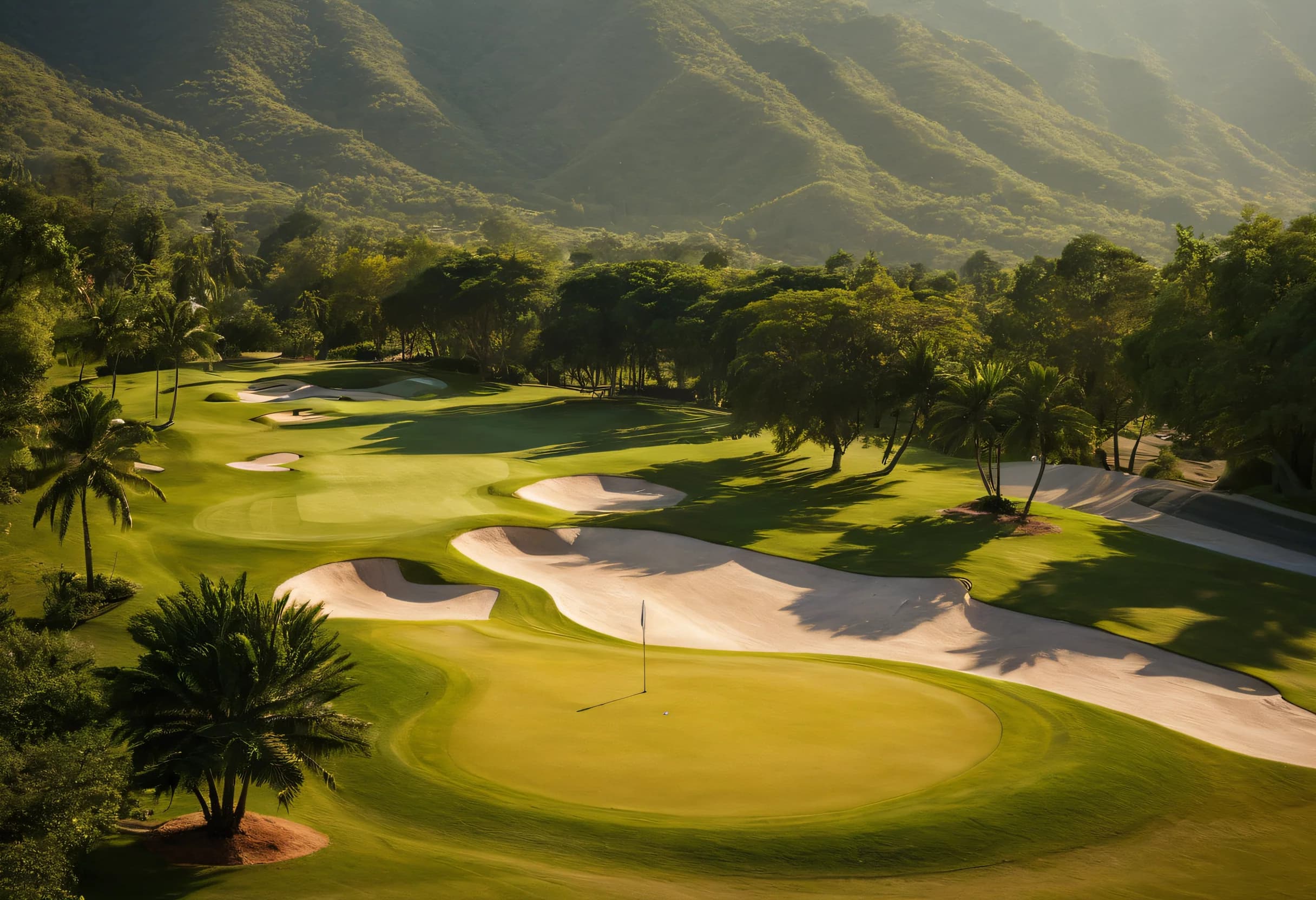
Most long-haul golfers should leave arrival day free and play their first Chiang Mai round on day 2, at a tee time matched to their home body clock: floodlit evening for Europeans, early morning for Americans. Australians can often tee off on day 1. Save the hardest course for day 3 or later, once sleep has settled.
How many days should you wait before your first round in Thailand?
One full day for most European and American golfers, little or none for most Australians. Then match the first tee time to your body clock, not local habit.
The CDC Yellow Book jet lag chapter (accessed 2026-10-18) puts the average adaptation rate at about 1 hour per day flying east and 1.5 hours per day flying west. A golfer from London in high season faces a 7-hour gap, so full adjustment takes about a week. Nobody waits a week to play.
The practical answer is timing. You can play good golf on day 2 if the round falls in your body's alert window, and poor golf on day 4 if you tee off at your body's 2am. Our working rule for clients (CMGT Golf, 2026): free arrival day, a gentle first round on day 2, and the marquee course from day 3.
For the wider trip plan, our first-timer mistakes guide covers the other errors that cost strokes in week one.
What does a Chiang Mai tee time feel like on your home body clock?
A 07:00 tee in Chiang Mai is midnight in London, 7pm the previous evening in New York and 11am in Sydney. That one fact decides your first round.
Thailand runs on UTC+7 all year with no daylight saving, so the gap to home changes when your own clocks change. The table uses high-season (November to March) offsets.
| Chiang Mai tee time | London (GMT) | Frankfurt (CET) | New York (EST) | Los Angeles (PST) | Sydney (AEDT) |
|---|---|---|---|---|---|
| 06:30 | 23:30 | 00:30 | 18:30 | 15:30 | 10:30 |
| 09:30 | 02:30 | 03:30 | 21:30 | 18:30 | 13:30 |
| 12:00 | 05:00 | 06:00 | 00:00 | 21:00 | 16:00 |
| 17:30 (floodlit) | 10:30 | 11:30 | 05:30 | 02:30 | 21:30 |
Read the row for your city. If your tee time lands between roughly midnight and 6am at home, you are playing through your body's night. Expect slow reactions, poor distance control and a fade on the back nine. US times in the table fall on the previous calendar day at home.
Is jet lag worse flying from Europe, the US or Australia?
Europe is the hardest per hour, because you fly east. The US is the biggest gap. Australia is the easiest, with only 3 to 4 hours to absorb.
| Flying from | Gap to Thailand (Nov-Mar) | Direction | Approx. days to adjust | First round we suggest |
|---|---|---|---|---|
| UK and Ireland | Thailand 7h ahead | East | About 7 | Day 2, floodlit evening |
| Central Europe | Thailand 6h ahead | East | About 6 | Day 2, floodlit evening |
| US East Coast | 12h apart | Either way | About 8 if shifting west | Day 2, early morning |
| US West Coast | Thailand 15h ahead | Body often shifts west | About 6 | Day 2, early morning |
| Sydney and Melbourne | Thailand 4h behind | West | About 3 | Day 1 afternoon or day 2 morning |
| Perth | Thailand 1h behind | West | About 1 | Day 1 |
Americans get a quirk in their favour. With a 12 to 15 hour gap, your body tends to wake at 3am or 4am local time, which suits a dawn tee. The crash comes mid-afternoon in Chiang Mai, your body's small hours at home. Plan the round early and the nap after lunch.
What time should Europeans tee off on day one or two?
Book a floodlit evening slot for the first two days. If you want daylight golf, a late-morning start beats dawn. Move to dawn tee times from day 3 onwards.
Europeans fly east, which means you fall asleep late and wake groggy. The classic 06:30 Chiang Mai start lands at 23:30 in London. You would be walking off the 18th at what feels like 5am.
A 10:00 start puts you on the first tee at your body's 3am, which is still not ideal, though at least you got to sleep in. The better first-round slot for most Europeans is the evening. A 17:30 floodlit tee is 10:30 in London, close to peak alertness, and the worst of the heat has gone.
Our best tee times guide covers the timing logic once you are fully adjusted.
Is night golf a smart first round after a long-haul flight?
Often yes for Europeans. Floodlit evening golf falls in your body's late morning, and the air is cooler than any daytime slot.
A handful of courses around Chiang Mai offer play under lights, and two we use for jet-lagged arrivals are worth knowing. Gassan Legacy Golf Club in Lamphun is a forgiving layout 30 to 45 minutes from the city, with a green-season night rate of ฿1,650 all-in against ฿1,950 by day (CMGT Golf, 2026; confirm high-season rates at booking). Star Dome Golf Club is a 9-hole floodlit option closer in. Prices there change, so we confirm the live rate when you enquire.
The honest downside: night golf is not the scenic round you flew for. Depth perception changes under lights, the mountain views disappear, and you will lose sight of some shots. Treat it as a swing-loosener, not the trip highlight.
Which Chiang Mai course should you play first when jet-lagged?
Pick something close, flat and forgiving: North Hill, Lanna Golf Club or Gassan Legacy. Never Highlands or Alpine on day 2.
A short transfer matters more than you expect when you are tired. North Hill City Golf Club is around 20 minutes from most city hotels. Lanna Golf Club is around 10 minutes from the Old City, with a green fee of about ฿1,350, and allows walking, which helps reset the body clock in daylight. Mae Jo Golf Club sits north of the city and is relaxed, though the extra drive adds to a tired day.
Save Chiang Mai Highlands Golf & Spa (฿3,400 all-in, green season 2026) and Alpine Golf Resort (฿3,700 all-in, green season 2026) for day 3 or later. Both are long, demanding layouts with elevation changes that punish loose concentration. Paying premium fees to play them half-asleep wastes the money. The full Chiang Mai course directory lists every option with transfer times.
What should you do on the flight and arrival day?
Sleep on destination time, drink water, cut alcohol, then spend arrival afternoon outside in daylight and go to bed at a normal Thai hour.
The NHS jet lag page (accessed 2026-10-18) advises shifting your bedtime toward the destination before you fly, staying hydrated, limiting caffeine and alcohol, and avoiding daytime sleep after arrival. For eastward trips, the CDC adds that morning bright light helps the body clock advance and evening light holds it back.
Most European golfers connect through Bangkok. If you land late, a night there can help; our Bangkok stopover guide weighs it up. The final leg into Chiang Mai is short, and the airport sits only a few kilometres from the Old City, so a private transfer gets you to the hotel quickly. Our airport transfer guide covers the options.
Do caffeine, naps and melatonin help on a golf trip?
Caffeine and short naps help. Melatonin is disputed. Never try a sleeping tablet for the first time the night before a round.
The CDC lists caffeine during local daylight hours as a way to fight daytime sleepiness, as long as you stop well before bed. That fits a golf day well: coffee at breakfast, another at the turn, nothing mid-afternoon onwards. Short naps of 20 to 30 minutes take the edge off without hurting night sleep. Longer ones do the opposite.
On melatonin, the CDC says low doses taken near local bedtime can help shift the clock and advises against high doses. The NHS does not recommend it, citing weak evidence. Speak to your doctor first. For recovery between rounds, our guide to golf and Thai massage recovery is a better first step than pills.
How should you schedule rounds across a full golf week?
Front-load rest, not golf. One easy round on day 2, the marquee courses in the middle, and a spare day before the flight home.
A five-night trip from Europe with four rounds typically looks like this: arrive day 1, easy local round day 2, Highlands or Alpine on day 3, a rest or culture day, then two more rounds. That shape fits our Highlands Classic, 5 nights and 4 rounds. With seven nights, the Lanna Signature, 7 nights and 5 rounds gives the body clock even more room.
Avoid back-to-back rounds on days 2 to 4 if you crossed 6 or more time zones. Fatigue builds up, and your back will tell you on day 4. Caddies at most Chiang Mai courses will read greens and club you, which takes some mental load off on a tired day. Our course pairings itinerary guide shows which courses sit well on consecutive days.
When is a package with a rest day not worth it?
When you fly in from Australia or elsewhere in Asia, or you only have three nights. Then a tighter tee sheet beats an empty day.
The free arrival day costs you a hotel night. For golfers from Perth or Singapore with a 1 to 2 hour gap, that night buys very little. The Weekend Warrior, 3 nights and 3 rounds suits them. For Europeans, the same schedule means a first round at the body's midnight, so the Northern Value, 4 nights and 3 rounds is the better fit.
An all-in package covers green fees, caddies, carts, hotel, a private driver and airport transfers, and we can usually move tee times if your flight slips. A single round booked direct can be cheaper, which is worth knowing if you only want one game. We are enquiry-driven: tell us your flight times and home city through our Chiang Mai golf packages page and we quote a schedule built around your body clock. Flying January to April? Read our burning season golf guide too, because haze adds to jet lag fatigue.
Send us your flight times for a jet-lag-friendly tee sheetWe quote by enquiry and confirm with a depositFrequently asked questions
How long does jet lag last after flying to Thailand for golf?
The CDC Yellow Book puts average adaptation at about 1 hour per day flying east and 1.5 hours per day flying west. From the UK in high season, Thailand is 7 hours ahead, so your body needs about a week to fully catch up. You do not need to be fully adjusted to play well, though. In our experience most golfers from Europe play a solid round on day 2 or 3, provided the tee time suits their body clock. Australians crossing 3 to 4 zones usually feel normal by day 2 or 3. Check the NHS and CDC guidance for the full self-care list.
Should I play golf on the day I land in Chiang Mai?
Usually no, unless you fly in from Australia or elsewhere in Asia. A long-haul arrival after 15 to 20 hours of travel leaves most golfers with poor balance, slow reactions and tight backs, and the score shows it. Use arrival day for daylight, a walk and an early night on local time. The exception is a short evening session: a floodlit round can work well for Europeans because Thai evening falls in their body's late morning. Ask us at enquiry and we will tell you honestly whether a day-one round makes sense for your flight.
What tee time is best for a jet-lagged golfer from Europe?
For the first two days, a floodlit evening round is the best fit. In high season a 07:00 tee in Chiang Mai is midnight in London, so the whole round lands in your body's night. Late-morning and midday starts are still in your body's small hours, but they at least let you sleep in, so they beat dawn. A 17:30 floodlit start is mid-morning in London, close to peak alertness, and cooler too. From day 3 onwards, shift earlier to the cool dawn tee times most visitors prefer.
Does melatonin help with jet lag before a golf round?
Evidence is mixed. The CDC Yellow Book says low doses can help shift the body clock when taken near local bedtime on eastward trips, and it advises against high doses. The NHS does not recommend melatonin for jet lag because it judges the evidence too weak, and in the UK it is prescription-only. Talk to your doctor before you travel, and never take a sleeping tablet for the first time the night before a round, because any hangover effect hurts tempo and putting.
Is a golf package with a rest day worth it after a long-haul flight?
For most European and American golfers, yes. A package that leaves arrival day free and puts the hardest course on day 3 or later usually produces better golf than a trip that tees off the morning after landing. It costs an extra hotel night, which is the honest downside. If you only have three nights, a tighter schedule can still work, but expect your first round to be a warm-up. Send us your flight times through the golf enquiry page and we will build the tee sheet around them.